The following was released today by the American Society for Aesthetic Plastic Surgery: * In the aftermath of September 11, Americans will continue to reevaluate their priorities; some will focus on personal improvement and, perhaps for the first time, consider cosmetic surgery as an option. * New surgical and skin care techniques offering improved results for darker skin will increase cosmetic procedures among ethnic minorities in the U.S. *
Non-surgical “pick-me-ups” such as injectable wrinkle treatments (including Botox(R) and the newer Myobloc(R)) and skin resurfacing with peels and lasers that require little or no downtime will be the fastest growing segment of the cosmetic surgery market. * The trend toward “short scar” and “minimal incision” cosmetic surgery will continue as more plastic surgeons adopt these newer techniques in response to patient demand.
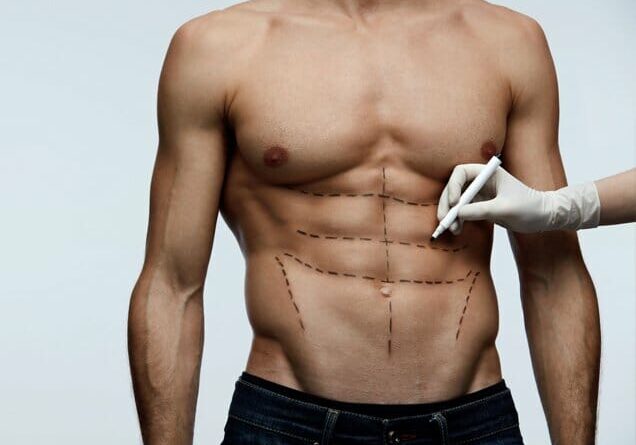
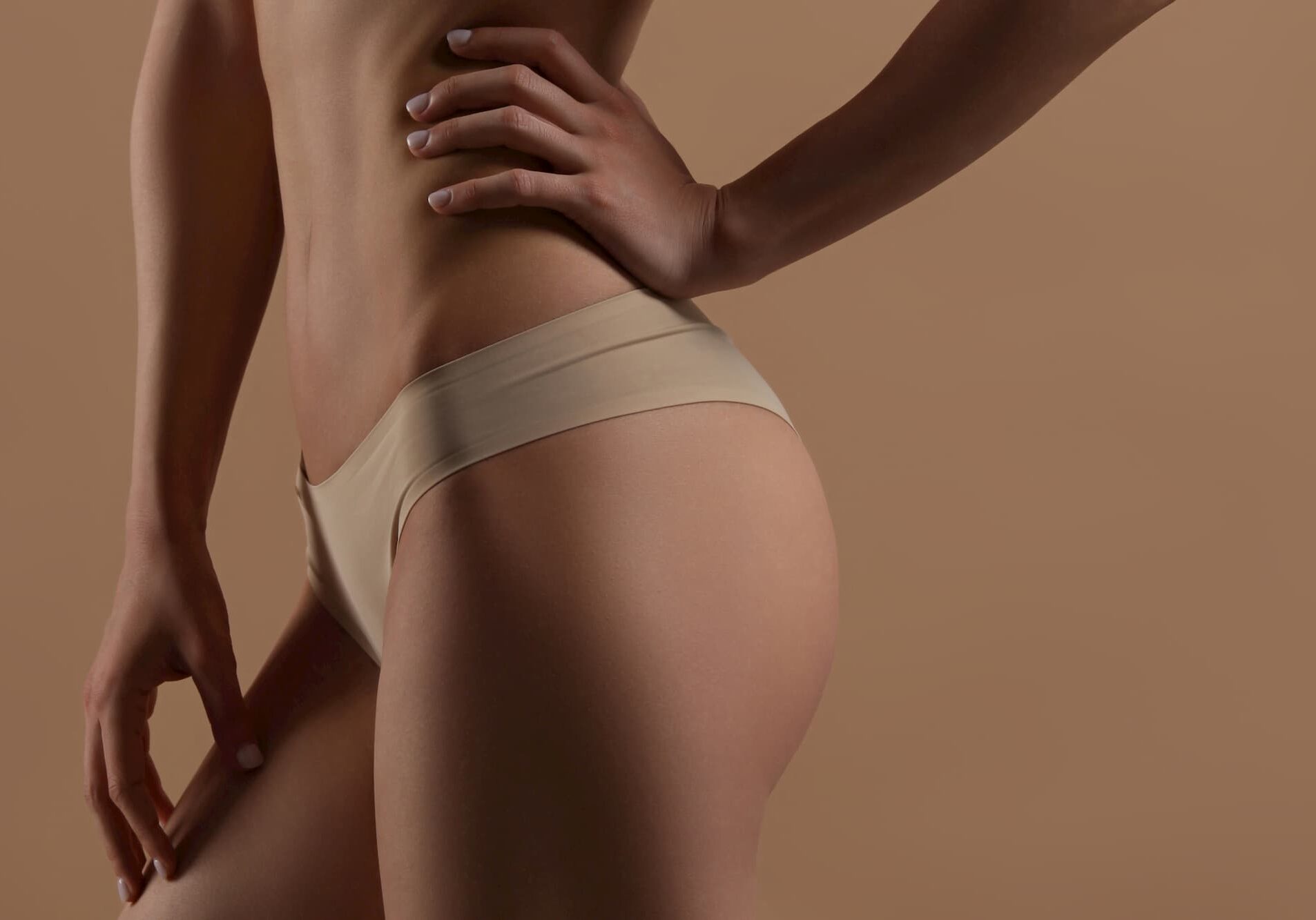
* Current fashion interest in midriff-baring tops and low-riding jeans will increase the popularity of abdominal contouring procedures such as lipoplasty (liposuction), tummy tuck and, for those wanting a more sculpted abdominal musculature, “abdominal etching.” * The popularity of thong lingerie and swimwear will stimulate an increase in cosmetic surgery of the buttocks, including lipoplasty for contouring of full buttocks and buttock augmentation for adding curves to flat buttocks. *
Advances in the formulation of silicone gel will encourage renewed interest in its potential U.S. Food and Drug Administration (FDA) approval as a safe and effective breast implant filling material. * The interface between plastic surgery and anti-aging treatments involving nutritional and other “wellness” therapies will increase as plastic surgeons respond to consumer interest in alternative medicine. * Fat from lipoplasty procedures will be further investigated as an important source for stem cells, opening the door to a new era in aesthetic surgery utilizing patients’ own “manufactured” tissue for a variety of cosmetic enhancements.
Additional states will mandate accreditation of office-based surgical facilities as consumers demand the highest safety standards for ambulatory surgery. The American Society for Aesthetic Plastic Surgery (ASAPS) is the leading organization of plastic surgeons certified by the American Board of Plastic Surgery (ABPS) who specialize in cosmetic surgery of the face and the entire body.
I suffered from BDD when I was a teenager. From the ages of 13-18 I was convinced that I was grotesque. My diaries of the time are filled with pages of self loathing. It is quite painful to read. I was convinced that the only solution to my ‘problem’ was plastic surgery.
My boss’s sister just had cosmetic surgery done on her nose and mouth. She was born with cleft palate and her nose and upper lip were flat, her lower lip protruded. She had surgery 15 years ago, which corrected part of it. Last week she went back and the surgeon fixed her nose and lip.
I was recently watching Kilroy and they were talking about cosmetic surgery.
The kids themselves ranges from severely disabled to very mainstream-able(I have no idea what the proper way to say that these days). They also had the doctors who specialized in this and other reconstructive surgeries. The parents seemed all to be very comfortable with their special kids.
The government does NOT cover cosmetic surgery. If somebody wants a nosejob, hair transplants, etc., it’s not covered by ANY insurance plan. OHIP *does not* cover cosmetic surgery. Call any doctor and they’ll tell you that. Cosmetic surgery is only covered when someone has gone through some sort of traumatic accident like severe burns, and skin grafts are necessary. Even then, your going to go through alot to justify this.
Although more and more men are undergoing cosmetic surgery, women remain its chief consumers. A face lift. A tummy tuck. A nose job. A breast enhancement. The terms sound so cozy, even if the actual procedures are anything but. Women have played an active role in encouraging the culture of cosmetic surgery, but of course women are under far more social pressure than men to look good.